
Anti-aging face masks have become a familiar part of modern skincare routines, often promoted for their ability to reduce wrinkles, improve firmness and restore a youthful-looking complexion. However, the scientific evidence behind these claims remains an important consideration. In an educational article, skincare brand Curology examined the benefits and limitations of anti-aging face masks, highlighting the importance of active ingredients and evidence-based skincare practices.

According to Curology, while facial masks can provide a relaxing experience and temporarily improve the appearance of skin, there is limited high-quality clinical evidence demonstrating that face masks themselves can reverse the aging process. Dermatology experts generally agree that masks are not an essential step in every skincare routine. Instead, consistent cleansing, moisturizing, daily sun protection and the appropriate use of proven active ingredients remain fundamental to maintaining long-term skin health.
The effectiveness of a facial mask largely depends on its formulation. Vitamin C is widely recognized for its antioxidant properties and its role in supporting collagen production, helping protect against environmental damage and improve skin appearance. Vitamin A derivatives, including retinol, are also commonly used to address uneven texture and visible signs of aging. Meanwhile, alpha hydroxy acids (AHAs), such as glycolic acid and lactic acid, promote exfoliation and can help improve skin tone and smoothness, although they may cause irritation and increase sensitivity to sunlight.
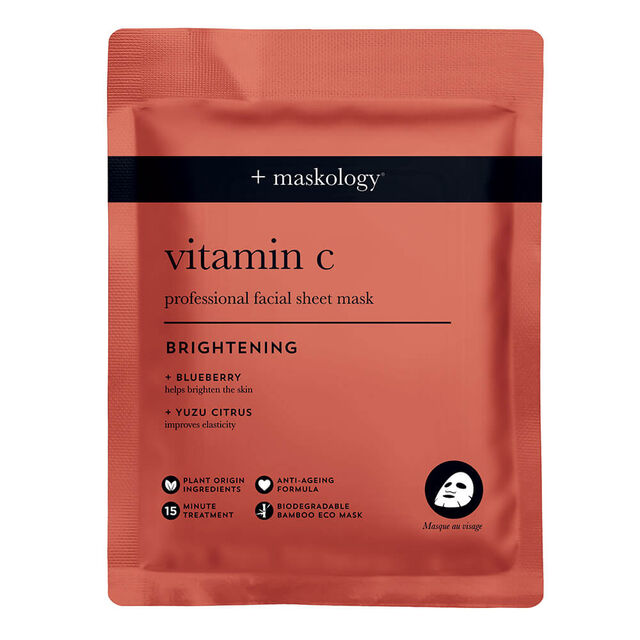
Hydrating ingredients are particularly important in facial mask formulations. Sodium hyaluronate, a form of hyaluronic acid, helps attract and retain moisture, temporarily improving skin plumpness and reducing the visibility of dehydration-related fine lines. Ceramides support the skin’s protective barrier and help prevent moisture loss, while butylene glycol contributes to hydration and formulation performance. Clay-based masks containing kaolin or bentonite can absorb excess oil, but frequent use may leave certain skin types feeling dry or uncomfortable.
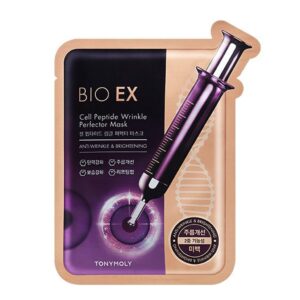
The article also explores two popular categories: overnight masks and sheet masks. Overnight masks typically feature cream or gel textures designed to provide extended hydration while sleeping, whereas sheet masks offer a convenient way to deliver moisturizing ingredients during a shorter treatment session. Examples discussed by Curology include Laneige Lavender Water Sleeping Mask, Neutrogena Hydro Boost Overnight Mask and COSRX Hydrogel Very Simple Pack, alongside sheet masks from TONYMOLY, Leaders and Patchology. These products were featured in the article updated in 2023 and should not be interpreted as a current product ranking.
Despite their popularity, facial masks are best viewed as complementary skincare products rather than essential anti-aging treatments. Individuals with sensitive skin or those already using prescription skincare should be particularly cautious when introducing additional formulas containing exfoliating acids, retinoids or potentially irritating fragrances.
Ultimately, anti-aging face masks can offer valuable hydration benefits and temporarily enhance the appearance of skin, but they cannot replace daily sunscreen, clinically supported active ingredients or a consistent skincare routine. Rather than expecting immediate wrinkle reversal, consumers are increasingly encouraged to evaluate products based on ingredient quality, skin compatibility and scientific evidence. This approach reflects a broader movement toward more intentional skincare, where maintaining a healthy skin barrier and supporting long-term skin health take priority over exaggerated anti-aging promises.
Disclaimer: Content on EwaGlow.com is for informational purposes only, not medical advice. We are not medical professionals. Please consult a dermatologist for personalized guidance.
