
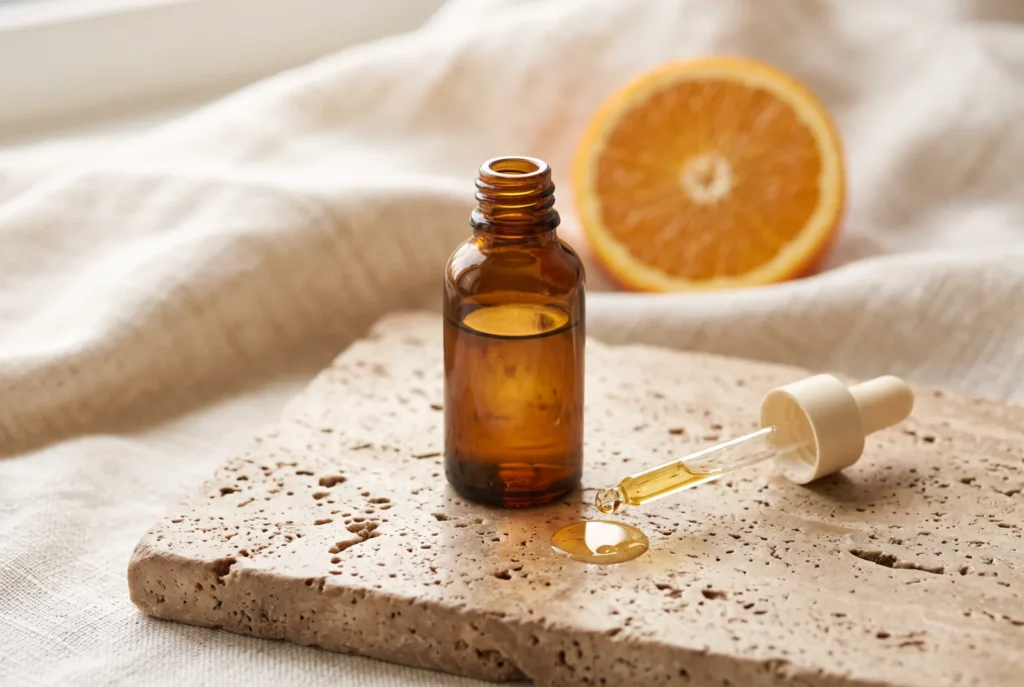
Timeless Skin Care’s 20% Vitamin C + E Ferulic Acid Serum has built a following for one simple reason: it pairs a high concentration of pure vitamin C with vitamin E and ferulic acid, the same trio found in far more expensive serums, at a drugstore-friendly price. The question is whether that formula delivers enough to justify a place in your routine, and who should skip it.
Quick verdict: a strong-value antioxidant serum built on a well-researched ingredient combination. Its main trade-offs are the high strength of vitamin C, which can sting sensitive skin, and a formula that oxidises over time and needs careful storage.
How we reviewed it: this review draws on the published ingredient list, retailer and brand information, and peer-reviewed research on the ingredients. EwaGlow has not run its own hands-on test of this product, and we don’t report personal results.
Product Overview
- Brand: Timeless Skin Care, a US skincare brand known for short, single-focus serums.
- Size: 1 fl oz (30 ml).
- Approximate price: around US$25–30 at US retailers at the time of writing. Prices vary by retailer and country, so check current listings.
- Advertised benefits: antioxidant protection, a more even-looking tone, brighter skin and support for collagen.
- Intended for: adults who want an affordable daily antioxidant serum and whose skin tolerates strong vitamin C.
The Vietnamese source article notes that the brand switched from glass to opaque plastic bottles around 2019–2020 without changing the formula. We could not confirm the packaging change with the brand, so check the bottle you receive.
Key Ingredients & Benefits
The published ingredient list reads: water, ethoxydiglycol, L-ascorbic acid, propylene glycol, alpha tocopherol, polysorbate 80, panthenol, ferulic acid, sodium hyaluronate, benzyl alcohol and dehydroacetic acid.
20% L-ascorbic acid (vitamin C)
L-ascorbic acid is the most studied form of topical vitamin C. It is an antioxidant that helps neutralise free radicals from UV exposure and pollution, and research links it to improvements in uneven tone and the look of fine lines. At 20%, this serum sits at the top of the commonly used range; higher strengths don’t necessarily work better, and they are more likely to irritate.
Vitamin E and ferulic acid
Vitamin E (alpha tocopherol) and ferulic acid help stabilise vitamin C. A widely cited 2005 laboratory study found that adding ferulic acid to a vitamin C and E solution improved its stability and roughly doubled its photoprotective effect on skin. That is promising evidence for the combination, but it was not a test of this specific product.
Panthenol and sodium hyaluronate
Panthenol (pro-vitamin B5) and sodium hyaluronate add hydration and may make a strong acid serum feel more comfortable.
What we couldn’t verify
The brand does not publish the serum’s pH, which affects how well L-ascorbic acid penetrates and how irritating it feels. Claims such as “dermatologist tested” appear on retailer pages without details of the testing.
Texture, Packaging & Experience
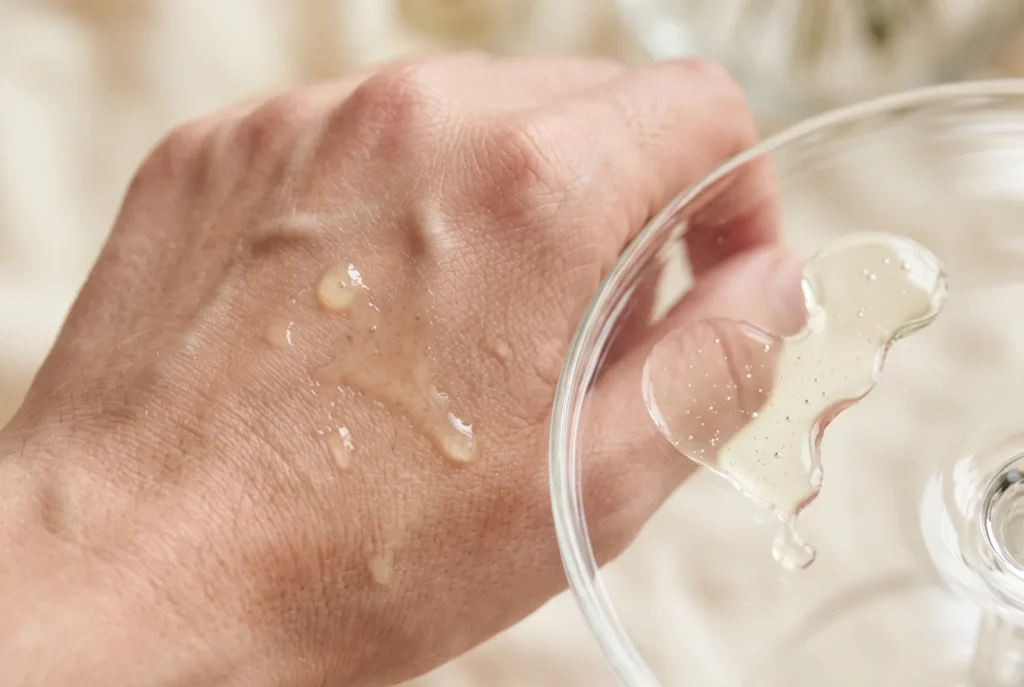
Based on retailer descriptions and widely reported user experience, the serum is a thin, light-yellow liquid that absorbs quickly. A warm or tingling feeling on application is common with high-strength L-ascorbic acid. Brand directions are to apply two to three pumps after cleansing and pat into the skin.
Vitamin C oxidises when exposed to air, light and heat. A shift from pale yellow to orange or brown is a sign the formula is degrading. Keep the cap closed, store it somewhere cool and dark (the brand notes refrigeration can extend its life), and aim to finish a bottle within a few months of opening.
Performance & Results
What you can reasonably expect from a stable 20% L-ascorbic acid serum, used daily with sunscreen, is gradual: a brighter, more even-looking complexion and some improvement in post-blemish marks over several weeks to a few months. Antioxidant protection is a support for sunscreen, not a replacement.
We have no independent before-and-after data or clinical results for this specific product. Any results depend on consistent use, sun protection and how fresh the serum is.
Pros & Cons
Pros
- A well-researched trio (vitamins C and E plus ferulic acid) at an accessible price.
- Short, focused ingredient list without added fragrance.
- Lightweight texture that layers easily under moisturiser and sunscreen.
Cons
- 20% vitamin C can sting or irritate sensitive or reactive skin.
- Oxidises over time; needs cool, dark storage and timely use.
- pH is not published, so strength and tolerance are harder to judge in advance.
Price & Value
At roughly US$25–30 for 30 ml, the serum costs a fraction of luxury vitamin C + E + ferulic acid serums with similar headline ingredients. A bottle typically lasts one to two months with daily use, which suits the short shelf life of vitamin C once opened. For a first vitamin C serum, it offers good value; for very sensitive skin, a gentler derivative may be better value in the end.
Who Is It For?
- Good fit: normal, combination and oily skin that tolerates actives, and anyone wanting a budget-friendly antioxidant step for dullness or uneven tone.
- Consider alternatives: sensitive, rosacea-prone or very dry skin may do better with a lower strength or a vitamin C derivative such as magnesium ascorbyl phosphate or sodium ascorbyl phosphate.
Final Verdict
Timeless 20% Vitamin C + E Ferulic Acid Serum offers a research-backed antioxidant formula at a price that makes vitamin C accessible. Its strengths are the ingredient combination, simple formula and value. Its limits are potential irritation, oxidation and missing pH information. If your skin handles strong actives and you’ll use it with daily sunscreen, it is worth considering. We haven’t given a numerical rating because we haven’t tested the product ourselves.
Frequently Asked Questions
Should I use it in the morning or at night?
Either works. Morning use pairs the antioxidant with your sunscreen, which is the most common recommendation; always follow it with SPF.
Can I use it with retinol or exfoliating acids?
It’s usually easier to use vitamin C in the morning and retinol or acids at night, so you don’t stack several strong actives at once.
How do I know if it has gone off?
If the serum turns noticeably orange or brown, or its smell changes, it has likely oxidised and is less effective. Replace it.